Across Africa, wind energy is doing more than generating electricity. It is strengthening energy security, supporting localized economic growth, and building the infrastructure needed for long-term prosperity. As countries across the continent accelerate their clean energy ambitions, wind power is emerging as a cornerstone of a more resilient and sustainable future.
This momentum comes at a time when the global energy landscape is undergoing a profound transformation. In 2025 alone, the global wind sector added 165 GW of new capacity, a 40% year-over-year increase, bringing cumulative installed wind capacity worldwide to more than 1,300 GW. GWEC Global Wind Report 2026.
As nations seek reliable, affordable, and low-carbon sources of electricity, wind energy has become one of the most scalable solutions available.
Behind this growth lies decades of technological innovation. When modern wind technology first gained commercial traction in the mid-1980s, commercial wind turbines generated around 50 kW of electricity and featured rotor diameters of approximately 15 meters. Today, modern onshore wind turbines can reach capacities of up to 10 MW, with rotor diameters approaching 200 meters. This remarkable evolution has dramatically improved efficiency, increased energy output, and lowered the cost of clean electricity generation.
Africa is positioned to benefit from these global advancements more than almost any other region worldwide.
Mapping the Continental Opportunity
As energy demand continues to rise across the continent, renewable energy presents a unique opportunity to expand access to reliable power while supporting sustainable economic development. Leveraging its abundant natural resources, growing energy needs, and increasing investment in clean infrastructure, Africa is becoming a critical player in the global energy transition.
Among the continent’s renewable resources, wind power stands out for its scale, maturity, and ability to deliver utility-scale electricity directly to national grids. From North Africa to West Africa and Southern Africa, wind projects are helping strengthen energy systems, diversify power generation sources, and reduce reliance on conventional fuels.
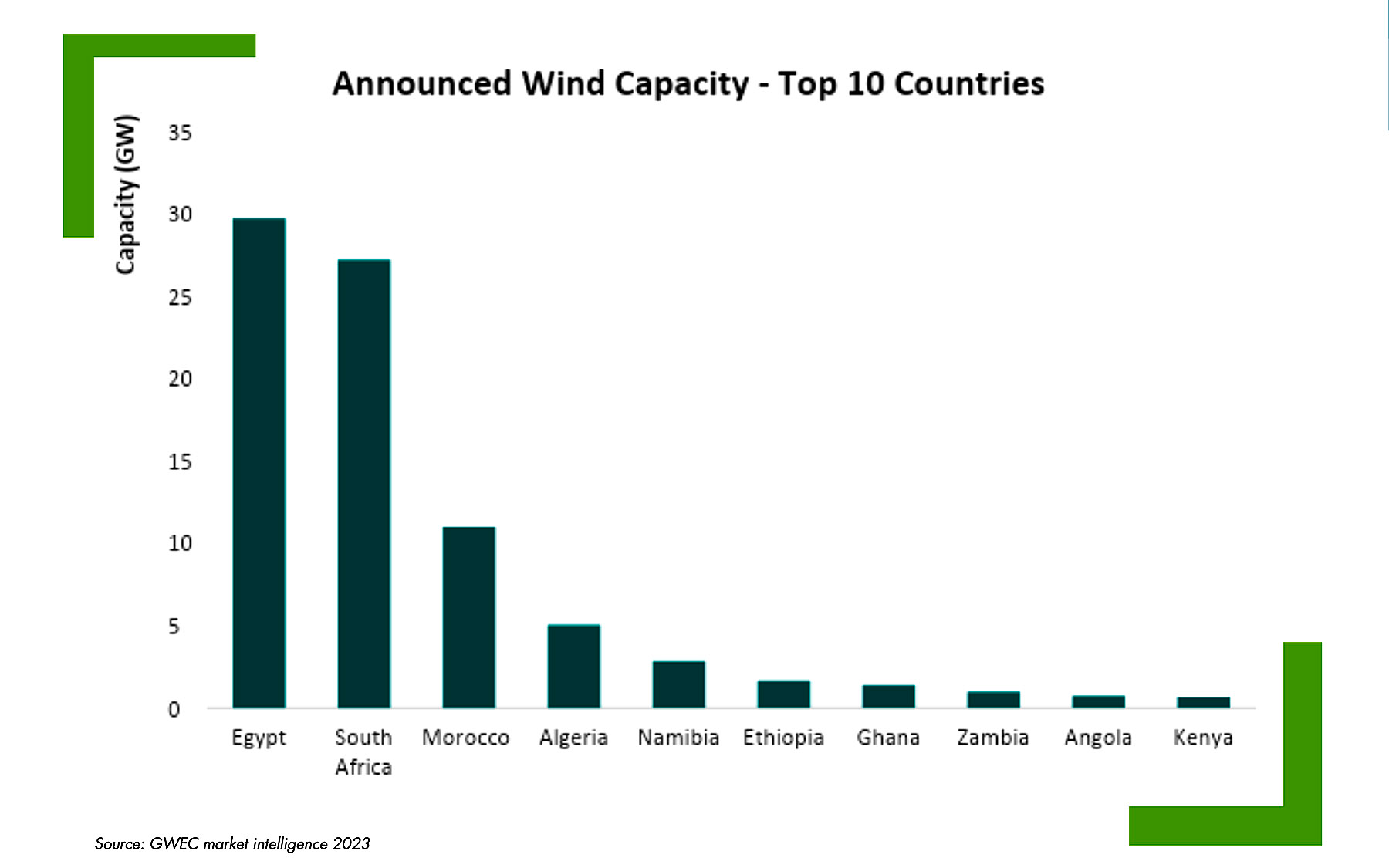
Egypt, in particular, has emerged as one of the most attractive wind markets globally. The country has established itself as the leading producer of onshore wind energy in both Africa and the Middle East, supported by vast open spaces and one of the world's most favorable wind resources, particularly in the Gulf of Suez, where average wind speeds of 8 to 10 meters per second at a 100-meter hub heights support some of the region’s highest wind farm capacity factors. Today, Egypt accounts for nearly a quarter (23.8%) of Africa’s total installed wind capacity, according to data from the Global Wind Energy Council (GWEC), demonstrating the significant role the continent plays in shaping the future of clean energy.
This regional momentum is anchored by our broader pan-African operations. As the largest African pure-play renewable energy provider, we look beyond the metrics of capacity. Our focus is on transforming Africa’s natural resources into long-term energy security, economic opportunity, and sustainable growth.
Operational Reality: 1.3 GW of Real-World Impact
Infinity Power prevents around 3.3 million tons of CO₂ emissions annually while supplying reliable clean electricity to hundreds of thousands of homes and businesses across Africa. This impact is delivered through a growing operational portfolio that now totals 1.3 GW of renewable energy capacity, bringing practical benefits directly to local communities and regional economies.
Our wind portfolio spans three key countries:
-
West Bakr Wind Farm, Egypt: Located in the high-wind corridors of the Gulf of Suez, the facility represents a major pillar of Egypt’s clean energy strategy. Equipped with 96 modern turbines, the 252 MW facility supplies power to approximately 509,000 homes Upon commissioning, this single asset grew the country’s total wind capacity by 18% and helps prevent approximately 571,000 tons of carbon emissions each year.
-
Taiba N’Diaye Wind Farm, Senegal: As Senegal’s flagship wind asset and a critical component of West Africa's clean energy strategy, this 158.7 MW facility features 46 turbines. It provides reliable, and affordable power to approximately 480,000 homes across Senegal, mitigating roughly 340,000 tons of carbon dioxide per year.
-
South Africa: Across South Africa’s Northern and Western Cape regions, our five operational wind farms — Khobab 143.1 MW, Loeriesfontein 2 143.1 MW, Kangnas 143.1 MW, Perdekraal 112.6 MW, and Noupoort 82.1 MW, contribute a combined 624 MW to the national grid. Together, these facilities displace approximately 2.2 million tons of emissions each year.
Beyond Generation: Building Together with Communities
The real value of utility infrastructure is measured by the lasting opportunities it creates for the people around it. Large-scale renewable projects build value through local training, community partnerships, and support for regional economic development.
At Infinity Power, sustainability and social inclusion are embedded directly into our project lifecycles. At the Perdekraal Wind Farm in South Africa, for example, our community development initiatives support education, youth development, food security, and local enterprise growth. Partnering directly with local stakeholders helps ensure that the benefits of our work extend well beyond the operational life of the project.
Africa’s energy transition must be both environmentally sustainable and socially inclusive, ensuring that the benefits of growth are shared by the communities helping power it.
Looking Ahead: The 16 GW Wind Pipeline
Our current operational footprint is simply the foundation for our next phase of growth. Infinity Power is progressing toward its ambition of operating 10 GW of renewable energy capacity across Africa by 2032, a milestone that will enable the delivery of clean electricity to approximately 12 million homes while preventing between 15 and 20 million tons of carbon emissions annually.
To turn this vision into reality, we are actively advancing a development pipeline exceeding 16 GW across multiple African communities:
-
Ras Ghareb Wind Farm (Egypt): The 200 MW wind project is under construction in partnership with POWERCHINA Huadong Engineering Corporation (HDEC) under Egypt’s NWFE initiative. Once operational, it will deliver clean electricity to an additional 300,000 homes.
-
10 GW Wind Program (Egypt): Planning continues for our 10 GW Onshore Wind Program, building on the foundation set back at COP27 in Sharm El Sheikh in November 2022, where the project MOU was signed and witnessed by the leadership of both the UAE and Egypt. Today, that vision is turning into real action, with Phase-1 development officially moving forward in the Gulf of Suez area. This program will completely change the scale of renewable energy across Africa, bringing clean power to life on the ground and putting the continent at the center of the global green transition.
Engineering Africa’s Energy Future
Africa’s energy transformation is no longer a future ambition, it is already underway. Driven by world-class natural resources, growing investment, and local engineering expertise, the continent is rapidly establishing itself as a global force in clean infrastructure.
At Infinity Power, we aren't just watching this landscape evolve. Through strategic partnerships, practical execution, and a deep commitment to community growth, we are ensuring that the benefits of this transition are felt across the continent.
The shift is already in progress. Africa is not simply participating in the global clean energy transition, it is helping define its future.